
Please Scroll Down to See Forums Below

napsgear
genezapharmateuticals
domestic-supply US-PHARMACIES
UGL OZ UGFREAK OxygenPharm
napsgeargenezapharmateuticals domestic-supplyUS-PHARMACIESUGL OZUGFREAKOxygenPharm

Net Worth Ken "Flex" Wheeler Bodybuilder Net Worth: From Street Hardship to Bodybuilding Royalty, Age, Height, Life

In this thread, We discuss the net worth of famous bodybuilders and athletes with a focus on real numbers and financial history. Users can share research from places like Wikipedia, Reddit, and verified sources to break down how these athletes made their money. Perfect place to debate sponsorships, investments, prize winnings, and business ventures.

LevButlerov

Veteran Mod
Head Moderator
Raptor Labs VIP
UGL OZ VIP
Senior Moderator
EVO V.I.P.
Domestic-Supply.com
Flex Wheeler is one of those names in bodybuilding that you can’t leave out. If you grew up in the 90s watching IFBB pros or reading Flex Magazine, you saw him everywhere. People called him the Sultan of Symmetry for a reason. His shape, his style, his grace on stage were different. But his story goes way deeper than the stage. This guy came from almost nothing. Poverty, hunger, abuse, health problems. And even through all that, he built a name and made a career out of bodybuilding. A lot of people want to know how much he’s actually worth and where the money came from. We’re going to break it all down here.
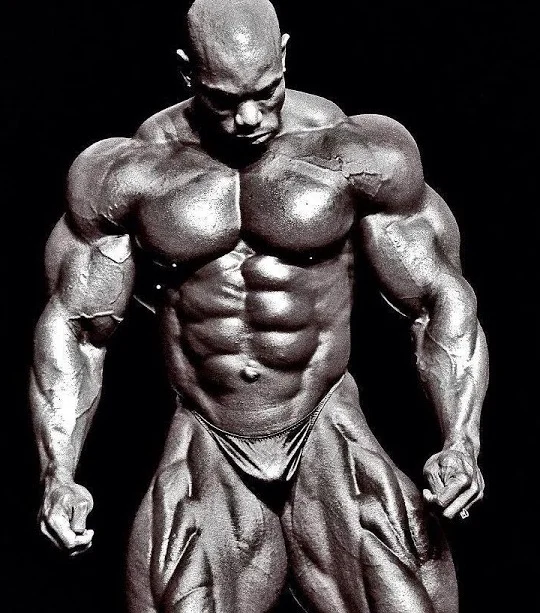
flex wheeler best pose.webp

Iconic Flex Feeler All Muscular Pose Photo

Article Menu

Early Life and Poverty

Flex Wheeler was born Kenneth Wheeler on August 23, 1965, in Fresno, California. Flex Wheeler stands at 5 feet 9 inches tall, which gave him the perfect frame for balanced proportions. During his prime, he competed at around 220 to 235 pounds with insane muscle fullness and detail. His arms measured nearly 23 inches and his thighs over 30 inches, all while maintaining a tight waist and sharp conditioning.

Life was not easy. He grew up in real poverty, with some parts of his childhood spent homeless and hungry. He’s been open about it in interviews. He said he was “a** poor” and went through days where he had nothing to eat and nowhere to sleep. That kind of life hardens you or breaks you. For Flex, it lit a fire. On top of the poverty, he also dealt with dyslexia and child abuse, so school wasn’t a safe place either. His escape was physical activity.

He found martial arts first. Karate helped him channel energy and gave him a mental foundation. It also gave him control and discipline. You can actually see that carry over into his posing routines later. Everything he did had flow. He moved like a fighter, not just a bodybuilder. But even though martial arts was his thing early on, it was bodybuilding that opened the door financially.

Flex didn’t fall in love with bodybuilding for the art. He did it for survival. He said it many times. If Ronnie Coleman was competing, he’d calculate if second place could still pay his bills. That was the mindset. Bodybuilding was his job, his way out. Not a luxury.

To view this content we will need your consent to set third party cookies.
For more detailed information, see our cookies page.

Amateur Rise to IFBB Pro

Flex started lifting weights seriously around age 13. The story goes that he saw a bodybuilding magazine and couldn’t believe people could look like that. So he got obsessed. By the time he was 18, he was already entering local shows in California. His genetics were off the charts. Small joints, round muscle bellies, crazy proportions. Everything flowed. Judges noticed him right away.

It didn’t take long for him to dominate the amateur circuit. He won multiple national qualifiers and then got his IFBB Pro Card in 1993. That same year, he exploded onto the pro scene. No slow start, no warming up. He won the Arnold Classic right out of the gate. The whole industry stood up and paid attention. People thought he’d win Mr. Olympia that year. He almost did.

To view this content we will need your consent to set third party cookies.
For more detailed information, see our cookies page.

Competition Highlights

Flex Wheeler competed in an era loaded with monsters. You had Ronnie Coleman, Dorian Yates, Kevin Levrone, Shawn Ray, Nasser El Sonbaty, Paul Dillett, and more. Despite that, Flex carved out his own place.

He never won the Olympia, but he came damn close. Second in 1993 behind Dorian. Second again in 1998 behind Ronnie. He placed top five in the Olympia eight times total. That’s not a small feat.

His biggest wins came at the Arnold Classic. He won it four times. 1993, 1997, 1998, and 2000. At the time, that was a record. He also took first at the Ironman Pro Invitational multiple times and won shows across Europe like the France Grand Prix and Night of Champions.

What made Flex different wasn’t just the wins. It was how he looked doing it. The clean lines, tiny waist, and graceful posing. He looked like a sculpture. That’s why fans and even pros still talk about him as one of the greatest ever, even without a Sandow trophy.
flex wheeler double bicep.webp
Flex as a Young Pro Pic

Contest Winnings and Payouts

Now, as for money from shows, that’s where things get interesting. In Flex’s prime, contest payouts were nothing like they are today. Winning the Arnold Classic in the 90s might get you $100K tops. Mr. Olympia first place back then was around $110K to $150K. Second or third place? Much less.

Over his whole career, people estimate Flex made somewhere between $500K to $700K just from contest winnings. That’s across over a decade of competing. If you compare that to what some modern influencers make off a single launch or podcast deal, it sounds small. But in the 90s, it was real money.

Flex treated shows like work. If he knew Ronnie was competing, he’d aim for second and try to make what he could. He wasn’t just chasing trophies. He was chasing a paycheck.
flex-wheeler-front-double-biceps-competition.webp

Flex Wheeler on Stage Picture Winning

Sponsorships and Media Deals

Now here’s where most pros made the real cash. Sponsorships. Flex was backed by Weider for years. That alone gave him stability. He was a regular face in Flex Magazine, Muscle & Fitness, and other publications. He did shoots, interviews, expos, the whole deal.

He was also one of the most featured guys in VHS tapes and early bodybuilding media. If you were buying training tapes in the late 90s or early 2000s, chances are Flex was on one of them.

Supplement companies loved him too. He was sponsored by a few major names over the years, including EAS and later EFX. These weren’t just logo deals. He did appearances, booth work, tours, and had actual contracts. Some insiders guess he made another $800K to $1 million total from sponsor and media income combined.

Business Ventures and Coaching

Flex wasn’t just about shows and ads. He got into the business side too. He launched his own supplement line, Flex Wheeler Signature Series. It wasn’t huge like Ronnie Coleman Signature Series or Jay Cutler’s brand, but it had a niche following and solid products.

He also worked as a rep and executive with EFX Sports. He’d go to events, speak at seminars, and even judge competitions. That added a steady income even after retirement.

In recent years, he’s shifted more into mentoring and coaching. He runs posing clinics, online coaching, and special guest appearances. People pay for his expertise, and he knows how to deliver. His stage knowledge is rare and valuable, especially in classic physique divisions today.

Medical Challenges and Setbacks

This is where things get real. Flex didn’t have a smooth run health-wise. In 1994, he got into a bad car accident that almost left him paralyzed. He recovered but it slowed him down. Then in 1999, doctors diagnosed him with FSGS, a genetic kidney disease. He needed a transplant and got one in 2003.

That marked the end of his full-time competing days. After that, he tried to stay active in the sport but was in and out of hospitals. Then in 2019, he faced another huge blow. He had to get his right leg amputated below the knee due to circulatory problems.

These weren’t just physical blows. They hit him financially too. Medical costs, recovery time, lost sponsorships. It all added up. But the guy never gave up. He still trains. Still coaches. Still shows up. That’s rare.
flex wheeler before after.webp

Flex Wheeler before and after Photos

Modern Income Streams

Today, Flex is still relevant. His Instagram has a solid following. He’s done podcast tours, interviews, and online seminars. He also posts motivational content and behind-the-scenes from his life.

He still makes money from guest appearances at expos, judging events, and working with young competitors. He probably pulls some income from his past supplement deals and maybe some merch or signed photos.

It’s not crazy influencer money like you see now, but it’s steady. He’s respected in the industry. That keeps opportunities coming.

Breakdown of Likely Income Sources

Let’s break this down in a rough estimate:
  • Contest winnings around 600K
  • Sponsorships and Weider deals around 800K to 1 million
  • Supplement line probably earned him 300K over a few years
  • Guest posing and seminars maybe 150K to 200K
  • Modern content and coaching adds another 100K to 250K
  • A few licensing or brand deals, maybe small
    • Total income likely around 2 million over time
That matches up with what most people say. And remember, this doesn’t count expenses, taxes, or medical bills.

Rumors Disputes and Financial Controversy

There were some whispers in the industry over the years. Some said Weider underpaid many athletes in that era. Others said Flex was promised more but never got it. Hard to verify. But it’s not hard to believe. Bodybuilders back then weren’t treated like today’s influencers.

There was also talk that Flex lost a lot of savings during his health struggles. Medical costs, travel for treatments, surgeries. All that drains cash fast. Plus, when you’re out of the public eye due to illness, sponsors vanish.

Some fans wonder why Flex never launched a big YouTube channel or podcast brand like other retired pros. Maybe he chose privacy. Maybe the timing wasn’t right. But either way, he stayed old-school while the digital game moved fast.

Estimated Net Worth 2024 to 2025

Most sites now put his net worth around 2 million flat. A few say 2.2 million if you include assets and past earnings. That’s realistic. He never made big Olympia wins. He didn’t start a giant supplement empire. But he did earn steady income for years and stayed smart about it.

He owns property, runs a coaching business, and probably has investments. He lives a more private life now, but still active in bodybuilding circles. He’s not flashy, but he’s comfortable. There is talk he has multiple houses he owns, at least 3 houses in California, now likely worth over $5,000,000 USD!

References

 
Last edited:
he blames his amputation on the fact the doctors office never bothered to inform him that the stent was only good for a certain amount of time. if he had gotten that stent replaced he likely keeps his leg. it really sucks and its important to learn from this error, always make sure when you get a procedure you ask questions and do your research on the little details. nobody thinks 20 years from now but its important to do that
 
The one athlete that Mr Olympia Dorian Yates said could have beaten him if he was as dedicated as Doz was
Or even different judging criteria. Aesthetically flex was better, to my untrained eye. But it seems like Dorian brought qualities that had never been seen before and set the trend… I really like both of them. I’ve heard a lot of trash talk about DY, but everything I’ve seen him say directly seems very reasonable. But I’ve never heard trash talk about Flex Wheeler. He seems like a really really upstanding individual
 
While growing up, the bodybuilder i.must want to look like was Bob Paris. Until Flex Wheeler came long. Flex is a complex person.

Unfortunately did take care of his health, had kidney issue and lost a leg. And with another 10% improvement would have become Mr Olympia
 
Flex Wheeler is one of those names in bodybuilding that you can’t leave out. If you grew up in the 90s watching IFBB pros or reading Flex Magazine, you saw him everywhere. People called him the Sultan of Symmetry for a reason. His shape, his style, his grace on stage were different. But his story goes way deeper than the stage. This guy came from almost nothing. Poverty, hunger, abuse, health problems. And even through all that, he built a name and made a career out of bodybuilding. A lot of people want to know how much he’s actually worth and where the money came from. We’re going to break it all down here.
View attachment 106483
Iconic Flex Feeler All Muscular Pose Photo

Article Menu

Early Life and Poverty

Flex Wheeler was born Kenneth Wheeler on August 23, 1965, in Fresno, California. Flex Wheeler stands at 5 feet 9 inches tall, which gave him the perfect frame for balanced proportions. During his prime, he competed at around 220 to 235 pounds with insane muscle fullness and detail. His arms measured nearly 23 inches and his thighs over 30 inches, all while maintaining a tight waist and sharp conditioning.

Life was not easy. He grew up in real poverty, with some parts of his childhood spent homeless and hungry. He’s been open about it in interviews. He said he was “a** poor” and went through days where he had nothing to eat and nowhere to sleep. That kind of life hardens you or breaks you. For Flex, it lit a fire. On top of the poverty, he also dealt with dyslexia and child abuse, so school wasn’t a safe place either. His escape was physical activity.

He found martial arts first. Karate helped him channel energy and gave him a mental foundation. It also gave him control and discipline. You can actually see that carry over into his posing routines later. Everything he did had flow. He moved like a fighter, not just a bodybuilder. But even though martial arts was his thing early on, it was bodybuilding that opened the door financially.

Flex didn’t fall in love with bodybuilding for the art. He did it for survival. He said it many times. If Ronnie Coleman was competing, he’d calculate if second place could still pay his bills. That was the mindset. Bodybuilding was his job, his way out. Not a luxury.

To view this content we will need your consent to set third party cookies.
For more detailed information, see our cookies page.

Amateur Rise to IFBB Pro

Flex started lifting weights seriously around age 13. The story goes that he saw a bodybuilding magazine and couldn’t believe people could look like that. So he got obsessed. By the time he was 18, he was already entering local shows in California. His genetics were off the charts. Small joints, round muscle bellies, crazy proportions. Everything flowed. Judges noticed him right away.

It didn’t take long for him to dominate the amateur circuit. He won multiple national qualifiers and then got his IFBB Pro Card in 1993. That same year, he exploded onto the pro scene. No slow start, no warming up. He won the Arnold Classic right out of the gate. The whole industry stood up and paid attention. People thought he’d win Mr. Olympia that year. He almost did.

To view this content we will need your consent to set third party cookies.
For more detailed information, see our cookies page.

Competition Highlights

Flex Wheeler competed in an era loaded with monsters. You had Ronnie Coleman, Dorian Yates, Kevin Levrone, Shawn Ray, Nasser El Sonbaty, Paul Dillett, and more. Despite that, Flex carved out his own place.

He never won the Olympia, but he came damn close. Second in 1993 behind Dorian. Second again in 1998 behind Ronnie. He placed top five in the Olympia eight times total. That’s not a small feat.

His biggest wins came at the Arnold Classic. He won it four times. 1993, 1997, 1998, and 2000. At the time, that was a record. He also took first at the Ironman Pro Invitational multiple times and won shows across Europe like the France Grand Prix and Night of Champions.

What made Flex different wasn’t just the wins. It was how he looked doing it. The clean lines, tiny waist, and graceful posing. He looked like a sculpture. That’s why fans and even pros still talk about him as one of the greatest ever, even without a Sandow trophy.
View attachment 106484
Flex as a Young Pro Pic

Contest Winnings and Payouts

Now, as for money from shows, that’s where things get interesting. In Flex’s prime, contest payouts were nothing like they are today. Winning the Arnold Classic in the 90s might get you $100K tops. Mr. Olympia first place back then was around $110K to $150K. Second or third place? Much less.

Over his whole career, people estimate Flex made somewhere between $500K to $700K just from contest winnings. That’s across over a decade of competing. If you compare that to what some modern influencers make off a single launch or podcast deal, it sounds small. But in the 90s, it was real money.

Flex treated shows like work. If he knew Ronnie was competing, he’d aim for second and try to make what he could. He wasn’t just chasing trophies. He was chasing a paycheck.
View attachment 106485
Flex Wheeler on Stage Picture Winning

Sponsorships and Media Deals

Now here’s where most pros made the real cash. Sponsorships. Flex was backed by Weider for years. That alone gave him stability. He was a regular face in Flex Magazine, Muscle & Fitness, and other publications. He did shoots, interviews, expos, the whole deal.

He was also one of the most featured guys in VHS tapes and early bodybuilding media. If you were buying training tapes in the late 90s or early 2000s, chances are Flex was on one of them.

Supplement companies loved him too. He was sponsored by a few major names over the years, including EAS and later EFX. These weren’t just logo deals. He did appearances, booth work, tours, and had actual contracts. Some insiders guess he made another $800K to $1 million total from sponsor and media income combined.

Business Ventures and Coaching

Flex wasn’t just about shows and ads. He got into the business side too. He launched his own supplement line, Flex Wheeler Signature Series. It wasn’t huge like Ronnie Coleman Signature Series or Jay Cutler’s brand, but it had a niche following and solid products.

He also worked as a rep and executive with EFX Sports. He’d go to events, speak at seminars, and even judge competitions. That added a steady income even after retirement.

In recent years, he’s shifted more into mentoring and coaching. He runs posing clinics, online coaching, and special guest appearances. People pay for his expertise, and he knows how to deliver. His stage knowledge is rare and valuable, especially in classic physique divisions today.

Medical Challenges and Setbacks

This is where things get real. Flex didn’t have a smooth run health-wise. In 1994, he got into a bad car accident that almost left him paralyzed. He recovered but it slowed him down. Then in 1999, doctors diagnosed him with FSGS, a genetic kidney disease. He needed a transplant and got one in 2003.

That marked the end of his full-time competing days. After that, he tried to stay active in the sport but was in and out of hospitals. Then in 2019, he faced another huge blow. He had to get his right leg amputated below the knee due to circulatory problems.

These weren’t just physical blows. They hit him financially too. Medical costs, recovery time, lost sponsorships. It all added up. But the guy never gave up. He still trains. Still coaches. Still shows up. That’s rare.
View attachment 106482
Flex Wheeler before and after Photos

Modern Income Streams

Today, Flex is still relevant. His Instagram has a solid following. He’s done podcast tours, interviews, and online seminars. He also posts motivational content and behind-the-scenes from his life.

He still makes money from guest appearances at expos, judging events, and working with young competitors. He probably pulls some income from his past supplement deals and maybe some merch or signed photos.

It’s not crazy influencer money like you see now, but it’s steady. He’s respected in the industry. That keeps opportunities coming.

Breakdown of Likely Income Sources

Let’s break this down in a rough estimate:
  • Contest winnings around 600K
  • Sponsorships and Weider deals around 800K to 1 million
  • Supplement line probably earned him 300K over a few years
  • Guest posing and seminars maybe 150K to 200K
  • Modern content and coaching adds another 100K to 250K
  • A few licensing or brand deals, maybe small
    • Total income likely around 2 million over time
That matches up with what most people say. And remember, this doesn’t count expenses, taxes, or medical bills.

Rumors Disputes and Financial Controversy

There were some whispers in the industry over the years. Some said Weider underpaid many athletes in that era. Others said Flex was promised more but never got it. Hard to verify. But it’s not hard to believe. Bodybuilders back then weren’t treated like today’s influencers.

There was also talk that Flex lost a lot of savings during his health struggles. Medical costs, travel for treatments, surgeries. All that drains cash fast. Plus, when you’re out of the public eye due to illness, sponsors vanish.

Some fans wonder why Flex never launched a big YouTube channel or podcast brand like other retired pros. Maybe he chose privacy. Maybe the timing wasn’t right. But either way, he stayed old-school while the digital game moved fast.

Estimated Net Worth 2024 to 2025

Most sites now put his net worth around 2 million flat. A few say 2.2 million if you include assets and past earnings. That’s realistic. He never made big Olympia wins. He didn’t start a giant supplement empire. But he did earn steady income for years and stayed smart about it.

He owns property, runs a coaching business, and probably has investments. He lives a more private life now, but still active in bodybuilding circles. He’s not flashy, but he’s comfortable. There is talk he has multiple houses he owns, at least 3 houses in California, now likely worth over $5,000,000 USD!

References

99.9% of bodybuilders want to look like Flex Wheeler even 20 years later, it's a fact of life brothers
 
He is a legend in his own right imo, brought alot to the sport and could have been even greater if he just believed mkte in himself and really pushed himself beyond his own limits, as i go on i realize little by little to be even competitive or reach any level in this sport you have to push past every and all barriers mental or physical and not put yourself in a bkx and doubt, something we all can do at times, in the end he is a hell of a bodybuilder.
 
Another physique that I absolutely admire as a youngster, the shape and symmetry at his prime was something so incredible - amongst the others of his time

Personally I never considered myself all that much on there personal life’s or even what kind of people they were

@LevButlerov amaizng rite up again sir, really loving these and the details

Let’s see big Dorian 😂
 
Another physique that I absolutely admire as a youngster, the shape and symmetry at his prime was something so incredible - amongst the others of his time

Personally I never considered myself all that much on there personal life’s or even what kind of people they were

@LevButlerov amaizng rite up again sir, really loving these and the details

Let’s see big Dorian 😂
Was into his Martial Arts before taking up body-building. Also had one hell of a car stereo. With big subwoofers
 
Flex Wheeler is one of those names in bodybuilding that you can’t leave out. If you grew up in the 90s watching IFBB pros or reading Flex Magazine, you saw him everywhere. People called him the Sultan of Symmetry for a reason. His shape, his style, his grace on stage were different. But his story goes way deeper than the stage. This guy came from almost nothing. Poverty, hunger, abuse, health problems. And even through all that, he built a name and made a career out of bodybuilding. A lot of people want to know how much he’s actually worth and where the money came from. We’re going to break it all down here.
View attachment 106483
Iconic Flex Feeler All Muscular Pose Photo

Article Menu

Early Life and Poverty

Flex Wheeler was born Kenneth Wheeler on August 23, 1965, in Fresno, California. Flex Wheeler stands at 5 feet 9 inches tall, which gave him the perfect frame for balanced proportions. During his prime, he competed at around 220 to 235 pounds with insane muscle fullness and detail. His arms measured nearly 23 inches and his thighs over 30 inches, all while maintaining a tight waist and sharp conditioning.

Life was not easy. He grew up in real poverty, with some parts of his childhood spent homeless and hungry. He’s been open about it in interviews. He said he was “a** poor” and went through days where he had nothing to eat and nowhere to sleep. That kind of life hardens you or breaks you. For Flex, it lit a fire. On top of the poverty, he also dealt with dyslexia and child abuse, so school wasn’t a safe place either. His escape was physical activity.

He found martial arts first. Karate helped him channel energy and gave him a mental foundation. It also gave him control and discipline. You can actually see that carry over into his posing routines later. Everything he did had flow. He moved like a fighter, not just a bodybuilder. But even though martial arts was his thing early on, it was bodybuilding that opened the door financially.

Flex didn’t fall in love with bodybuilding for the art. He did it for survival. He said it many times. If Ronnie Coleman was competing, he’d calculate if second place could still pay his bills. That was the mindset. Bodybuilding was his job, his way out. Not a luxury.

To view this content we will need your consent to set third party cookies.
For more detailed information, see our cookies page.

Amateur Rise to IFBB Pro

Flex started lifting weights seriously around age 13. The story goes that he saw a bodybuilding magazine and couldn’t believe people could look like that. So he got obsessed. By the time he was 18, he was already entering local shows in California. His genetics were off the charts. Small joints, round muscle bellies, crazy proportions. Everything flowed. Judges noticed him right away.

It didn’t take long for him to dominate the amateur circuit. He won multiple national qualifiers and then got his IFBB Pro Card in 1993. That same year, he exploded onto the pro scene. No slow start, no warming up. He won the Arnold Classic right out of the gate. The whole industry stood up and paid attention. People thought he’d win Mr. Olympia that year. He almost did.

To view this content we will need your consent to set third party cookies.
For more detailed information, see our cookies page.

Competition Highlights

Flex Wheeler competed in an era loaded with monsters. You had Ronnie Coleman, Dorian Yates, Kevin Levrone, Shawn Ray, Nasser El Sonbaty, Paul Dillett, and more. Despite that, Flex carved out his own place.

He never won the Olympia, but he came damn close. Second in 1993 behind Dorian. Second again in 1998 behind Ronnie. He placed top five in the Olympia eight times total. That’s not a small feat.

His biggest wins came at the Arnold Classic. He won it four times. 1993, 1997, 1998, and 2000. At the time, that was a record. He also took first at the Ironman Pro Invitational multiple times and won shows across Europe like the France Grand Prix and Night of Champions.

What made Flex different wasn’t just the wins. It was how he looked doing it. The clean lines, tiny waist, and graceful posing. He looked like a sculpture. That’s why fans and even pros still talk about him as one of the greatest ever, even without a Sandow trophy.
View attachment 106484
Flex as a Young Pro Pic

Contest Winnings and Payouts

Now, as for money from shows, that’s where things get interesting. In Flex’s prime, contest payouts were nothing like they are today. Winning the Arnold Classic in the 90s might get you $100K tops. Mr. Olympia first place back then was around $110K to $150K. Second or third place? Much less.

Over his whole career, people estimate Flex made somewhere between $500K to $700K just from contest winnings. That’s across over a decade of competing. If you compare that to what some modern influencers make off a single launch or podcast deal, it sounds small. But in the 90s, it was real money.

Flex treated shows like work. If he knew Ronnie was competing, he’d aim for second and try to make what he could. He wasn’t just chasing trophies. He was chasing a paycheck.
View attachment 106485
Flex Wheeler on Stage Picture Winning

Sponsorships and Media Deals

Now here’s where most pros made the real cash. Sponsorships. Flex was backed by Weider for years. That alone gave him stability. He was a regular face in Flex Magazine, Muscle & Fitness, and other publications. He did shoots, interviews, expos, the whole deal.

He was also one of the most featured guys in VHS tapes and early bodybuilding media. If you were buying training tapes in the late 90s or early 2000s, chances are Flex was on one of them.

Supplement companies loved him too. He was sponsored by a few major names over the years, including EAS and later EFX. These weren’t just logo deals. He did appearances, booth work, tours, and had actual contracts. Some insiders guess he made another $800K to $1 million total from sponsor and media income combined.

Business Ventures and Coaching

Flex wasn’t just about shows and ads. He got into the business side too. He launched his own supplement line, Flex Wheeler Signature Series. It wasn’t huge like Ronnie Coleman Signature Series or Jay Cutler’s brand, but it had a niche following and solid products.

He also worked as a rep and executive with EFX Sports. He’d go to events, speak at seminars, and even judge competitions. That added a steady income even after retirement.

In recent years, he’s shifted more into mentoring and coaching. He runs posing clinics, online coaching, and special guest appearances. People pay for his expertise, and he knows how to deliver. His stage knowledge is rare and valuable, especially in classic physique divisions today.

Medical Challenges and Setbacks

This is where things get real. Flex didn’t have a smooth run health-wise. In 1994, he got into a bad car accident that almost left him paralyzed. He recovered but it slowed him down. Then in 1999, doctors diagnosed him with FSGS, a genetic kidney disease. He needed a transplant and got one in 2003.

That marked the end of his full-time competing days. After that, he tried to stay active in the sport but was in and out of hospitals. Then in 2019, he faced another huge blow. He had to get his right leg amputated below the knee due to circulatory problems.

These weren’t just physical blows. They hit him financially too. Medical costs, recovery time, lost sponsorships. It all added up. But the guy never gave up. He still trains. Still coaches. Still shows up. That’s rare.
View attachment 106482
Flex Wheeler before and after Photos

Modern Income Streams

Today, Flex is still relevant. His Instagram has a solid following. He’s done podcast tours, interviews, and online seminars. He also posts motivational content and behind-the-scenes from his life.

He still makes money from guest appearances at expos, judging events, and working with young competitors. He probably pulls some income from his past supplement deals and maybe some merch or signed photos.

It’s not crazy influencer money like you see now, but it’s steady. He’s respected in the industry. That keeps opportunities coming.

Breakdown of Likely Income Sources

Let’s break this down in a rough estimate:
  • Contest winnings around 600K
  • Sponsorships and Weider deals around 800K to 1 million
  • Supplement line probably earned him 300K over a few years
  • Guest posing and seminars maybe 150K to 200K
  • Modern content and coaching adds another 100K to 250K
  • A few licensing or brand deals, maybe small
    • Total income likely around 2 million over time
That matches up with what most people say. And remember, this doesn’t count expenses, taxes, or medical bills.

Rumors Disputes and Financial Controversy

There were some whispers in the industry over the years. Some said Weider underpaid many athletes in that era. Others said Flex was promised more but never got it. Hard to verify. But it’s not hard to believe. Bodybuilders back then weren’t treated like today’s influencers.

There was also talk that Flex lost a lot of savings during his health struggles. Medical costs, travel for treatments, surgeries. All that drains cash fast. Plus, when you’re out of the public eye due to illness, sponsors vanish.

Some fans wonder why Flex never launched a big YouTube channel or podcast brand like other retired pros. Maybe he chose privacy. Maybe the timing wasn’t right. But either way, he stayed old-school while the digital game moved fast.

Estimated Net Worth 2024 to 2025

Most sites now put his net worth around 2 million flat. A few say 2.2 million if you include assets and past earnings. That’s realistic. He never made big Olympia wins. He didn’t start a giant supplement empire. But he did earn steady income for years and stayed smart about it.

He owns property, runs a coaching business, and probably has investments. He lives a more private life now, but still active in bodybuilding circles. He’s not flashy, but he’s comfortable. There is talk he has multiple houses he owns, at least 3 houses in California, now likely worth over $5,000,000 USD!

References

met him years ago in Mexico City at an expo. nice guy, he was signing autographs for people. seems like he got a raw deal with his health issues. Seems like he is also very wealthy but i bet he would trade all his wealth for his legs
 
Flex Wheeler is one of those names in bodybuilding that you can’t leave out. If you grew up in the 90s watching IFBB pros or reading Flex Magazine, you saw him everywhere. People called him the Sultan of Symmetry for a reason. His shape, his style, his grace on stage were different. But his story goes way deeper than the stage. This guy came from almost nothing. Poverty, hunger, abuse, health problems. And even through all that, he built a name and made a career out of bodybuilding. A lot of people want to know how much he’s actually worth and where the money came from. We’re going to break it all down here.
View attachment 106483
Iconic Flex Feeler All Muscular Pose Photo

Article Menu

Early Life and Poverty

Flex Wheeler was born Kenneth Wheeler on August 23, 1965, in Fresno, California. Flex Wheeler stands at 5 feet 9 inches tall, which gave him the perfect frame for balanced proportions. During his prime, he competed at around 220 to 235 pounds with insane muscle fullness and detail. His arms measured nearly 23 inches and his thighs over 30 inches, all while maintaining a tight waist and sharp conditioning.

Life was not easy. He grew up in real poverty, with some parts of his childhood spent homeless and hungry. He’s been open about it in interviews. He said he was “a** poor” and went through days where he had nothing to eat and nowhere to sleep. That kind of life hardens you or breaks you. For Flex, it lit a fire. On top of the poverty, he also dealt with dyslexia and child abuse, so school wasn’t a safe place either. His escape was physical activity.

He found martial arts first. Karate helped him channel energy and gave him a mental foundation. It also gave him control and discipline. You can actually see that carry over into his posing routines later. Everything he did had flow. He moved like a fighter, not just a bodybuilder. But even though martial arts was his thing early on, it was bodybuilding that opened the door financially.

Flex didn’t fall in love with bodybuilding for the art. He did it for survival. He said it many times. If Ronnie Coleman was competing, he’d calculate if second place could still pay his bills. That was the mindset. Bodybuilding was his job, his way out. Not a luxury.

To view this content we will need your consent to set third party cookies.
For more detailed information, see our cookies page.

Amateur Rise to IFBB Pro

Flex started lifting weights seriously around age 13. The story goes that he saw a bodybuilding magazine and couldn’t believe people could look like that. So he got obsessed. By the time he was 18, he was already entering local shows in California. His genetics were off the charts. Small joints, round muscle bellies, crazy proportions. Everything flowed. Judges noticed him right away.

It didn’t take long for him to dominate the amateur circuit. He won multiple national qualifiers and then got his IFBB Pro Card in 1993. That same year, he exploded onto the pro scene. No slow start, no warming up. He won the Arnold Classic right out of the gate. The whole industry stood up and paid attention. People thought he’d win Mr. Olympia that year. He almost did.

To view this content we will need your consent to set third party cookies.
For more detailed information, see our cookies page.

Competition Highlights

Flex Wheeler competed in an era loaded with monsters. You had Ronnie Coleman, Dorian Yates, Kevin Levrone, Shawn Ray, Nasser El Sonbaty, Paul Dillett, and more. Despite that, Flex carved out his own place.

He never won the Olympia, but he came damn close. Second in 1993 behind Dorian. Second again in 1998 behind Ronnie. He placed top five in the Olympia eight times total. That’s not a small feat.

His biggest wins came at the Arnold Classic. He won it four times. 1993, 1997, 1998, and 2000. At the time, that was a record. He also took first at the Ironman Pro Invitational multiple times and won shows across Europe like the France Grand Prix and Night of Champions.

What made Flex different wasn’t just the wins. It was how he looked doing it. The clean lines, tiny waist, and graceful posing. He looked like a sculpture. That’s why fans and even pros still talk about him as one of the greatest ever, even without a Sandow trophy.
View attachment 106484
Flex as a Young Pro Pic

Contest Winnings and Payouts

Now, as for money from shows, that’s where things get interesting. In Flex’s prime, contest payouts were nothing like they are today. Winning the Arnold Classic in the 90s might get you $100K tops. Mr. Olympia first place back then was around $110K to $150K. Second or third place? Much less.

Over his whole career, people estimate Flex made somewhere between $500K to $700K just from contest winnings. That’s across over a decade of competing. If you compare that to what some modern influencers make off a single launch or podcast deal, it sounds small. But in the 90s, it was real money.

Flex treated shows like work. If he knew Ronnie was competing, he’d aim for second and try to make what he could. He wasn’t just chasing trophies. He was chasing a paycheck.
View attachment 106485
Flex Wheeler on Stage Picture Winning

Sponsorships and Media Deals

Now here’s where most pros made the real cash. Sponsorships. Flex was backed by Weider for years. That alone gave him stability. He was a regular face in Flex Magazine, Muscle & Fitness, and other publications. He did shoots, interviews, expos, the whole deal.

He was also one of the most featured guys in VHS tapes and early bodybuilding media. If you were buying training tapes in the late 90s or early 2000s, chances are Flex was on one of them.

Supplement companies loved him too. He was sponsored by a few major names over the years, including EAS and later EFX. These weren’t just logo deals. He did appearances, booth work, tours, and had actual contracts. Some insiders guess he made another $800K to $1 million total from sponsor and media income combined.

Business Ventures and Coaching

Flex wasn’t just about shows and ads. He got into the business side too. He launched his own supplement line, Flex Wheeler Signature Series. It wasn’t huge like Ronnie Coleman Signature Series or Jay Cutler’s brand, but it had a niche following and solid products.

He also worked as a rep and executive with EFX Sports. He’d go to events, speak at seminars, and even judge competitions. That added a steady income even after retirement.

In recent years, he’s shifted more into mentoring and coaching. He runs posing clinics, online coaching, and special guest appearances. People pay for his expertise, and he knows how to deliver. His stage knowledge is rare and valuable, especially in classic physique divisions today.

Medical Challenges and Setbacks

This is where things get real. Flex didn’t have a smooth run health-wise. In 1994, he got into a bad car accident that almost left him paralyzed. He recovered but it slowed him down. Then in 1999, doctors diagnosed him with FSGS, a genetic kidney disease. He needed a transplant and got one in 2003.

That marked the end of his full-time competing days. After that, he tried to stay active in the sport but was in and out of hospitals. Then in 2019, he faced another huge blow. He had to get his right leg amputated below the knee due to circulatory problems.

These weren’t just physical blows. They hit him financially too. Medical costs, recovery time, lost sponsorships. It all added up. But the guy never gave up. He still trains. Still coaches. Still shows up. That’s rare.
View attachment 106482
Flex Wheeler before and after Photos

Modern Income Streams

Today, Flex is still relevant. His Instagram has a solid following. He’s done podcast tours, interviews, and online seminars. He also posts motivational content and behind-the-scenes from his life.

He still makes money from guest appearances at expos, judging events, and working with young competitors. He probably pulls some income from his past supplement deals and maybe some merch or signed photos.

It’s not crazy influencer money like you see now, but it’s steady. He’s respected in the industry. That keeps opportunities coming.

Breakdown of Likely Income Sources

Let’s break this down in a rough estimate:
  • Contest winnings around 600K
  • Sponsorships and Weider deals around 800K to 1 million
  • Supplement line probably earned him 300K over a few years
  • Guest posing and seminars maybe 150K to 200K
  • Modern content and coaching adds another 100K to 250K
  • A few licensing or brand deals, maybe small
    • Total income likely around 2 million over time
That matches up with what most people say. And remember, this doesn’t count expenses, taxes, or medical bills.

Rumors Disputes and Financial Controversy

There were some whispers in the industry over the years. Some said Weider underpaid many athletes in that era. Others said Flex was promised more but never got it. Hard to verify. But it’s not hard to believe. Bodybuilders back then weren’t treated like today’s influencers.

There was also talk that Flex lost a lot of savings during his health struggles. Medical costs, travel for treatments, surgeries. All that drains cash fast. Plus, when you’re out of the public eye due to illness, sponsors vanish.

Some fans wonder why Flex never launched a big YouTube channel or podcast brand like other retired pros. Maybe he chose privacy. Maybe the timing wasn’t right. But either way, he stayed old-school while the digital game moved fast.

Estimated Net Worth 2024 to 2025

Most sites now put his net worth around 2 million flat. A few say 2.2 million if you include assets and past earnings. That’s realistic. He never made big Olympia wins. He didn’t start a giant supplement empire. But he did earn steady income for years and stayed smart about it.

He owns property, runs a coaching business, and probably has investments. He lives a more private life now, but still active in bodybuilding circles. He’s not flashy, but he’s comfortable. There is talk he has multiple houses he owns, at least 3 houses in California, now likely worth over $5,000,000 USD!

References

Great write up man! I always loved flex. He was a beast
 
Big fan of these articles and very well written.

Always nice to learn some facts about those we idolise in the sport of bodybuilding 💪🏻

Sucks to see the negative side of things some athletes go through. But to see him be so resilient is such a testament of his god willing drive and strength
 
Ripped
 
Back
Top Bottom